


Authorimmigrationuser
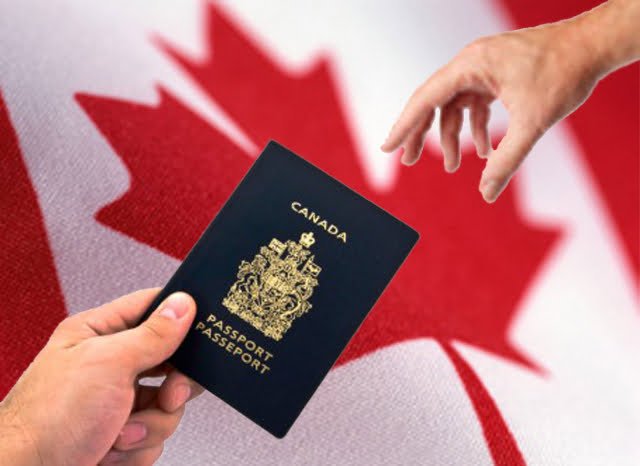
Under Canada’s new Immigration Levels Plan (2026–2028), the government has announced a significant reduction in student entries.
2025: ~305,000
2026: ~155,000
A massive 49% reduction
This will make admissions to Canadian colleges and universities extremely competitive.
Students with high academic records
Applicants with strong English scores
Programs aligned with labour market needs
Students applying to public universities instead of private colleges
Genuine candidates with transparent financial documents
If you fall into these categories, your chances are still good—but preparation must be flawless.
Indians are currently facing some of the longest wait times seen in years.
Visitor Visa: 99 days
Super Visa: 169 days
Work Permit: 10–12 weeks
Study Permit: 8–10 weeks (can be longer if additional checks needed)
The delays are due to:
Increased fraud checks
Higher scrutiny for Indian applicants
Backlogs from 2023–2024
Reallocation of visa officers to investigations
If you are planning to travel, apply early and avoid last-minute plans.
As of November 2025, IRCC has introduced new guidelines allowing officers to cancel temporary resident documents (visitor visa, work permit, or study permit) if you fail to:
Follow permit conditions
Remain enrolled as a student
Report changes in employment or school
Maintain valid status
Provide truthful information
This means even after getting approval, you must strictly follow all rules, otherwise Canada can revoke your permit.
Another big shift: Canada now wants more skilled workers, not temporary residents.
Economic-class immigrants now make up 64% of all permanent residents
Focus on Express Entry, PNPs, and job-based immigration
Reduced reliance on temporary residents
New occupation-based draws favouring healthcare, construction, tech, agriculture, trades
For many Indians, this means Express Entry and PNP may now be a better long-term pathway than the study route.
After months of tension, Canada and India have restarted trade and migration dialogue. However:
Cases of misuse of student visas
Surge in fraudulent admissions
Political cases involving fake agent networks
High dependency on Indian applicants
…have pushed Canada to tighten policies.
This situation may improve gradually, but for now scrutiny remains high.
If you want to move to Canada in 2025–26, this checklist will greatly help increase your success rate:
 1. Strengthen Your SOP / Statement of Purpose
Your SOP must prove:
Why you chose Canada
Why this program fits your career
Your genuine intent to study
Your return plan if required
Weak SOP = guaranteed refusal.
2. Show Clear, Verifiable FundsAvoid borrowing from multiple accounts
Avoid sudden large deposits
Provide tax returns, business documents, and income proofs
Include a strong sponsor letter
3. Apply to Better InstitutionsPublic universities > Public colleges > Private colleges.
Choosing “PG Diploma at private college” increases refusal chance drastically.
4. Improve IELTS ScoreA higher score boosts visa confidence.
Target:
Listening: 7.5+
Overall: 7 band or above
5. Explore Skilled Immigration RoutesIf you qualify, apply via:
Express Entry
PNP (Provincial Nominee Programs)
Atlantic Immigration Program
Employer-driven pathways
This avoids the high refusal rates affecting students.
6. Hire Only Authorized ConsultantsAvoid unauthorized agents who file poor or fraudulent applications.
Always choose a regulated immigration consultant.
Yes — Canada is still one of the best destinations for immigration, but the approach must be strategic.
Express Entry
PNP based on job offer or occupation
High-quality university admissions
Work permits tied to skilled employment
Family sponsorship routes
Private colleges
“Study now, PR later” expectations
Low IELTS scores
Weak financial documentation
 Don’t risk a refusal — talk to our immigration specialists now. We’ll help you build a strong, compliant, and high-success Canada visa application.
Canada is not closing doors — it is filtering applicants more strictly.
For Indians who prepare properly, 2025–26 can still be a year of opportunity.
If you take the right pathway, build a strong application, and avoid shortcuts, you can still secure your spot in Canada despite new immigration challenges.

World Immigration Terminal is so careful and dedicated towards giving their clients the best service, because their success is ultimately our success.